
Technology
Made a mistake on your mail-in ballot? Here's what to do in Philly
By Natalie G. Ramos
Advertisement · Why this ad?
Natalie has over 7 years of experience in education reporting, previously working with the Norristown Herald. She holds a Master’s in Educational Leadership from Arcadia University and is passionate about covering stories that impact local students and educators. Natalie's focus is on highlighting innovative programs and challenges within King of Prussia’s schools.
More from Natalie →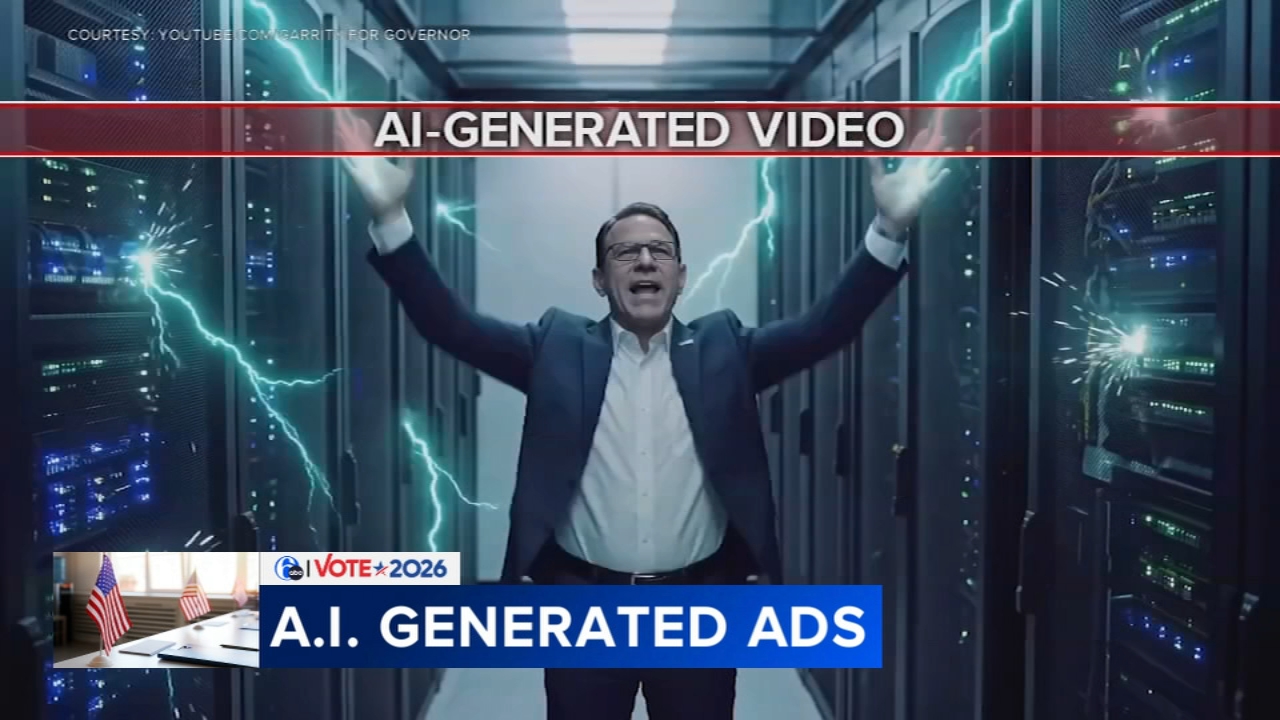
In a dimly lit room, a group of campaign strategists huddles around a screen, their eyes fixed on a vivid depiction of Pennsylvania Governor Josh Shapiro. The ad, generated entirely by artificial intelligence, features a hyper-realistic portrayal of the governor, delivering a message that is both compelling and controversial. As the campaign season heats up, this innovative use of technology raises critical questions about authenticity, ethics, and the future of political advertising in Pennsylvania.
In recent weeks, the political landscape in Pennsylvania has been stirred by a new wave of campaign ads that utilize artificial intelligence (AI) to craft their narratives. These AI-generated ads, which include striking visuals and scripted dialogues, are designed to capture voters' attention in ways traditional ads cannot. Governor Shapiro's image has been at the center of this debate, as various political factions leverage AI to either support or challenge his policies.
The implications of these ads extend beyond mere aesthetics; they represent a shift in how political messages are created and disseminated. The Pennsylvania election law allows for such ads to air as long as they do not violate existing regulations regarding false or misleading information. This legal framework has enabled candidates to explore new frontiers in political communication, even as concerns about misinformation loom large.
The response from the community has been mixed. Some residents view the use of AI in political advertising as a groundbreaking innovation that can enhance voter engagement. “It’s like a new form of storytelling,” said local educator and community organizer Maria Gomez. “If done ethically, it can help bring important issues to the forefront.”
Conversely, others express apprehension about the potential for deception. “We need to be wary of what’s real and what’s fabricated,” remarked James Turner, a retired journalist and long-time resident of King of Prussia. “AI can manipulate images and messages, making it harder for voters to discern the truth.” This sentiment reflects a broader national concern regarding the intersection of technology and politics, particularly as elections become increasingly contentious.
In King of Prussia, a community known for its vibrant mix of suburban life and urban influence, the debate around AI-generated ads is particularly poignant. Residents are increasingly aware of the digital landscape and how it shapes their perceptions. Local coffee shops and community centers have become informal meeting grounds for discussions about the implications of AI in politics. “I overheard a group at the café debating whether they would trust a politician who used AI in their ads,” shared Lisa Chen, a local business owner. “It’s fascinating to see how engaged people are with this issue.”
The ethical implications of AI-generated political ads are significant. As candidates experiment with this new medium, they must navigate a landscape fraught with potential pitfalls. The Federal Election Commission (FEC) has yet to establish comprehensive guidelines for AI in political advertising, leaving candidates to operate within a somewhat ambiguous legal framework. This lack of clarity raises questions about accountability and transparency.
Experts warn that without proper regulations, AI-generated content could exacerbate the spread of misinformation, further polarizing an already divided electorate. “We are entering uncharted territory,” said Dr. Helen Wu, a political communication scholar at the University of Pennsylvania. “The challenge is to ensure that innovation does not come at the expense of honesty and integrity in political discourse.”
In light of these concerns, advocacy groups are calling for more stringent regulations on the use of AI in political advertising. Organizations like Common Cause Pennsylvania are pushing for transparency laws that would require candidates to disclose the use of AI in their ads. “Voters deserve to know how their perceptions are being shaped,” said Emily Roberts, a spokesperson for the organization. “Without transparency, we risk eroding trust in the electoral process.”
The advent of AI in campaign ads is poised to alter how voters perceive candidates and their messages. As advertisements become more sophisticated and visually appealing, voters may find themselves swayed by the emotional resonance of these messages rather than their factual accuracy. This shift could lead to a more superficial understanding of the issues at stake in the election.
Moreover, the use of AI in crafting personalized ads that target specific demographics raises concerns about the potential for manipulation. “If a candidate knows what resonates with a particular group, they can tailor their message to exploit those sentiments,” noted political analyst Sarah Lee. “This can create an echo chamber effect, where voters only receive messages that reinforce their existing beliefs.”
In Pennsylvania, where voter turnout has historically fluctuated, the impact of AI on voter perception could be significant. Local activist groups are concerned that the emotional appeal of AI-generated ads might overshadow critical discussions about policy and governance. “We need to ensure that voters are making informed choices based on facts, not just feelings,” said Marcus Johnson, a community leader involved in voter education initiatives. “AI can be a tool for engagement, but it can also be a tool for manipulation.”
As the Pennsylvania elections approach, the use of AI in political advertising is likely to grow, prompting a need for ongoing dialogue about its implications. Candidates and campaign teams must consider the ethical ramifications of their strategies, balancing innovation with a commitment to truthful communication.
Moreover, it is essential for voters to remain vigilant and informed. Engaging in discussions about the ethics of AI in politics and advocating for transparency can empower citizens to make more informed decisions. As the landscape of political advertising continues to evolve, the role of the community in shaping these conversations will be crucial.
The rise of AI in political advertising presents both opportunities and challenges. While it can enhance voter engagement and provide new avenues for expression, it also poses risks that must be addressed. As Pennsylvania navigates this new frontier, the commitment to strong marriages, intact families, and authentic faith remains a guiding principle for fostering a community that values truth and integrity.
Looking ahead, it is vital for local organizations, educational institutions, and community leaders to collaborate in creating forums that educate voters about the implications of AI in politics. Workshops, town hall meetings, and online seminars could serve as platforms for discussion and debate, enabling citizens to voice their concerns and seek clarity on the use of technology in political messaging. By fostering an informed electorate, Pennsylvania can ensure that the advent of AI in political advertising contributes positively to the democratic process.
By Natalie G. Ramos

By Marcus L. Chen

By Marcus L. Chen

By Marissa C. Delgado