Health
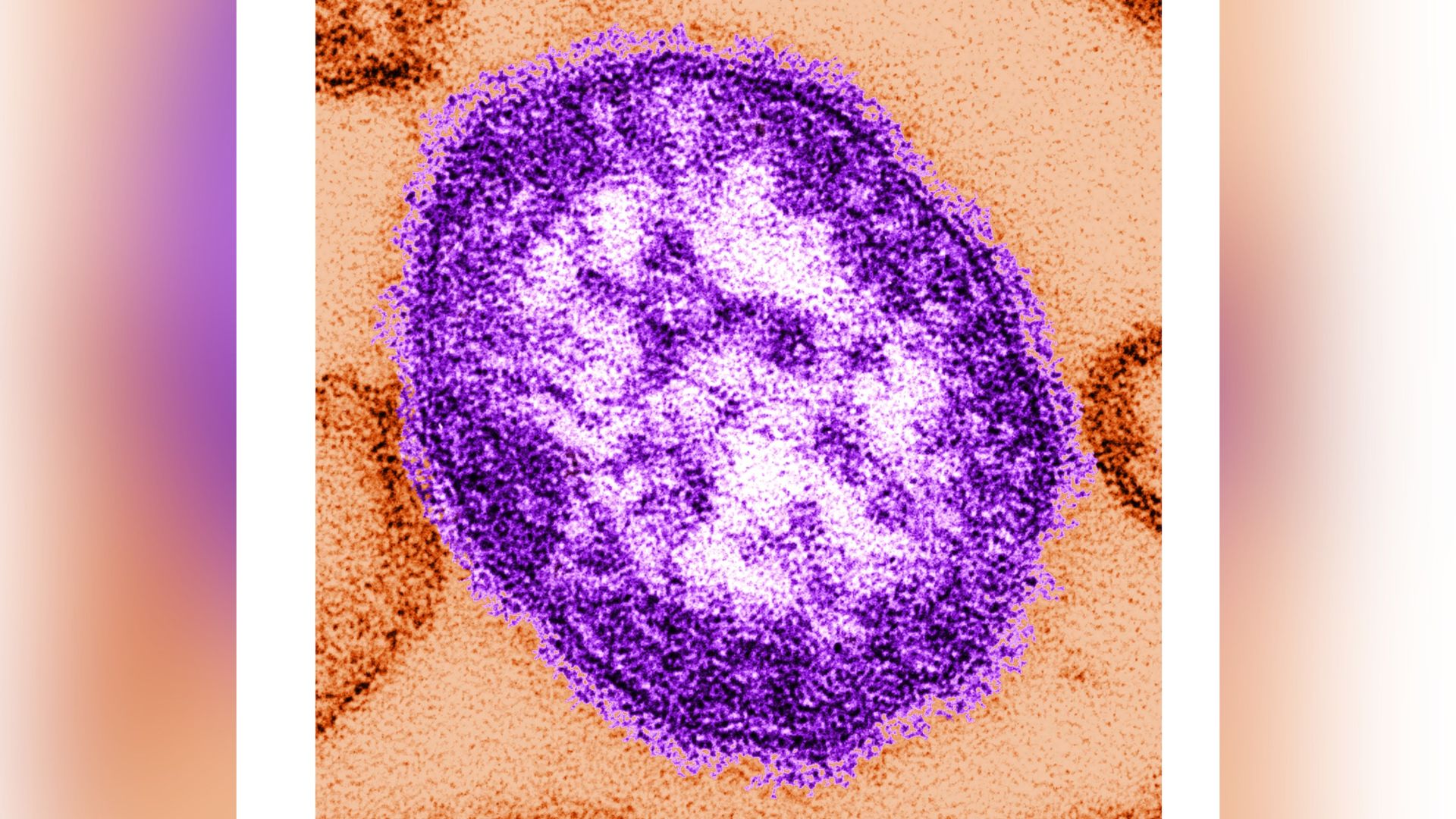
New York state reports 1st measles-associated death in over 30 years
By Leo A. Rodriguez
Advertisement · Why this ad?
Ethan has spent the last decade covering economic trends and developments for the Valley Forge Tribune. He earned his MBA from the Wharton School of the University of Pennsylvania, which has equipped him with a deep understanding of business dynamics. His investigative approach to local businesses sheds light on the challenges and triumphs they face.
More from Ethan →
In a tragic reminder of the ongoing threat posed by avian influenza, a resident of Yakima County, Washington, lost their life recently after contracting bird flu from infected cattle. This somber moment not only highlights the risks associated with animal health but also serves as a wake-up call for communities across the nation, including King of Prussia, as we navigate the complexities of public health in our interconnected world.
On November 3, 2026, Washington state health officials confirmed the first bird flu death of the year. The individual, who had underlying health conditions, was hospitalized with severe illness after exposure to infected cattle. According to the Yakima Health District, this incident underscores the persistent nature of avian influenza, commonly known as bird flu, which has been sporadically detected in dairy cattle over the past few years.
Andrew Pekosz, a professor at Johns Hopkins Bloomberg School of Public Health, noted that the virus has not disappeared, despite a lull in media coverage. "The sequence of the virus shows that it has remained active," he remarked, indicating that the strain continues to circulate among dairy cows. Washington state has recorded three cases of bird flu this year, all linked to individuals who were either working on dairy farms or had contact with infected animals.
This unfortunate event is particularly concerning as we enter a season where influenza cases tend to rise. Dr. William Schaffner, a professor of preventive medicine at Vanderbilt University Medical Center, emphasized that while the risk to the general public remains low, this incident serves as a crucial reminder for public health vigilance. He urged the community to stay informed and proactive regarding vaccination against seasonal influenza.
Bird flu, or avian influenza, is primarily a disease that affects birds, but certain strains can infect humans, particularly those with close contact with infected birds or animals. The recent case in Washington illustrates how zoonotic diseases can cross species barriers, posing risks to human health. The Centers for Disease Control and Prevention (CDC) has outlined that while human infections remain rare, they can occur, especially in individuals with compromised immune systems.
As the virus continues to circulate, experts caution against complacency. The Washington State Department of Health has reported elevated levels of influenza activity within the state, raising awareness about the potential for bird flu to coincide with seasonal flu outbreaks. Pekosz and Schaffner both agree that the current strain does not show evidence of human-to-human transmission, which is a critical factor in assessing the public health risk.
This situation is a stark reminder of the importance of biosecurity measures in agricultural settings. Farmers and livestock handlers are encouraged to follow strict health protocols to minimize exposure to avian influenza. This includes monitoring the health of animals, reporting unusual deaths, and maintaining hygiene standards to prevent the spread of the virus.
The implications of bird flu extend beyond individual health risks; they resonate deeply within communities, particularly in agricultural regions. For residents of King of Prussia and surrounding areas, the recent death serves as a poignant reminder of the interconnectedness of human and animal health. As a community that values strong families and healthy living, it is vital to remain informed and vigilant regarding public health threats.
Local farmers and agricultural workers may face increased scrutiny and potential economic repercussions as public concern grows over avian influenza. The agricultural sector, which is a cornerstone of the American dream for many families, must navigate these challenges with resilience and adaptability. The community's response to this incident could foster greater awareness and encourage proactive measures to safeguard both public health and local livelihoods.
Moreover, the emotional toll on families affected by such health crises cannot be understated. The loss of a loved one to a preventable disease is a tragedy that reverberates through families and communities alike. As we reflect on this recent death, it is essential to support one another and prioritize health and wellness within our households.
In the wake of this tragic event, community leaders and health officials in Yakima County have begun to mobilize resources to address the situation. Local health department spokesperson Sarah Thompson stated, "We are working closely with farmers and the agricultural community to ensure that they have the necessary information and tools to protect themselves and their livestock from avian influenza. Our goal is to prevent any further transmission of the virus and to keep our community safe."
Farmers in the area, like John Miller, who has been in the dairy business for over two decades, expressed their concerns. "This is a wake-up call for all of us in the farming community. We need to be more vigilant and proactive about the health of our animals and ourselves. We rely on our livestock for our livelihoods, and we cannot afford to take any risks."
Community forums are being organized to educate residents about avian influenza, its risks, and preventive measures. These gatherings aim to foster dialogue between health officials and the community, ensuring that everyone is on the same page regarding public health and safety.
In light of the recent bird flu case, residents of King of Prussia are encouraged to stay informed through reliable sources. The Pennsylvania Department of Health provides comprehensive resources on avian influenza and seasonal flu, including vaccination information and preventive measures. Additionally, local health departments can offer guidance on best practices for those working in agriculture or with livestock.
Community members are also urged to consider getting vaccinated against seasonal influenza. Health experts recommend that individuals receive their flu shots to reduce the risk of severe illness during flu season. The CDC provides a wealth of information on flu vaccination locations and eligibility, ensuring that residents can access this critical preventive measure.
As families come together to discuss health and safety, it is essential to foster open communication about potential risks and proactive measures. Engaging in conversations about health practices can strengthen family bonds and promote a culture of wellness within the community.
As we move forward from this tragic incident, it is crucial for King of Prussia and surrounding communities to remain vigilant and proactive in addressing public health concerns. The recent death from bird flu serves as a stark reminder of the importance of monitoring health trends and being prepared for potential outbreaks.
Local health officials will continue to monitor the situation closely, and residents are encouraged to stay informed through community health updates. The importance of education and awareness cannot be overstated, as understanding the risks associated with zoonotic diseases is key to prevention.
Moreover, fostering a culture of health and wellness within families can empower individuals to take charge of their health. By prioritizing vaccination, practicing good hygiene, and staying informed, families can work together to navigate the complexities of public health in today's world.
In addition, as part of the ongoing response, local health departments are working to establish more robust surveillance systems to detect potential outbreaks early. This includes collaborating with veterinarians and agricultural experts to ensure that animal health is monitored closely, which is essential for preventing future cases of avian influenza. Community engagement will play a vital role in these efforts, as residents are encouraged to report any unusual animal illnesses or deaths to health authorities.
Ultimately, this incident serves as a crucial reminder that public health is a shared responsibility, and by working together, communities can better protect themselves from emerging health threats.
By Leo A. Rodriguez

By Natalie G. Ramos
By Trevor M. Kowalski

By Samantha R. Patel